اللّٰه   اللّٰه
1252 — 1334 CE  ·  650 — 735 AH

Sheikh Safi al-din Ishaq Ardabili

Poet · Mystic · Sufi Master · Founder of the Safaviyya Order · Ancestor of Dr Seyed Salman Safavi

A Master of Knowledge and Sanctity

Sheikh Safi al-din Ishaq Ardabili was one of the most distinguished Sufi masters and Islamic scholars of the 13th and 14th centuries. Born in Ardabil in the Azerbaijan region of Iran, he became a towering figure in the history of Islamic spirituality — a man whose life, teachings, and legacy shaped the course of Islamic civilisation for centuries to come. He is the direct ancestor of Dr Seyed Salman Safavi, whose scholarly mission at the Dr Safavi Islamic Academy continues this unbroken chain of Islamic knowledge and spiritual guidance.

اللّٰه    اللّٰه

The "Allah Allah" Tomb

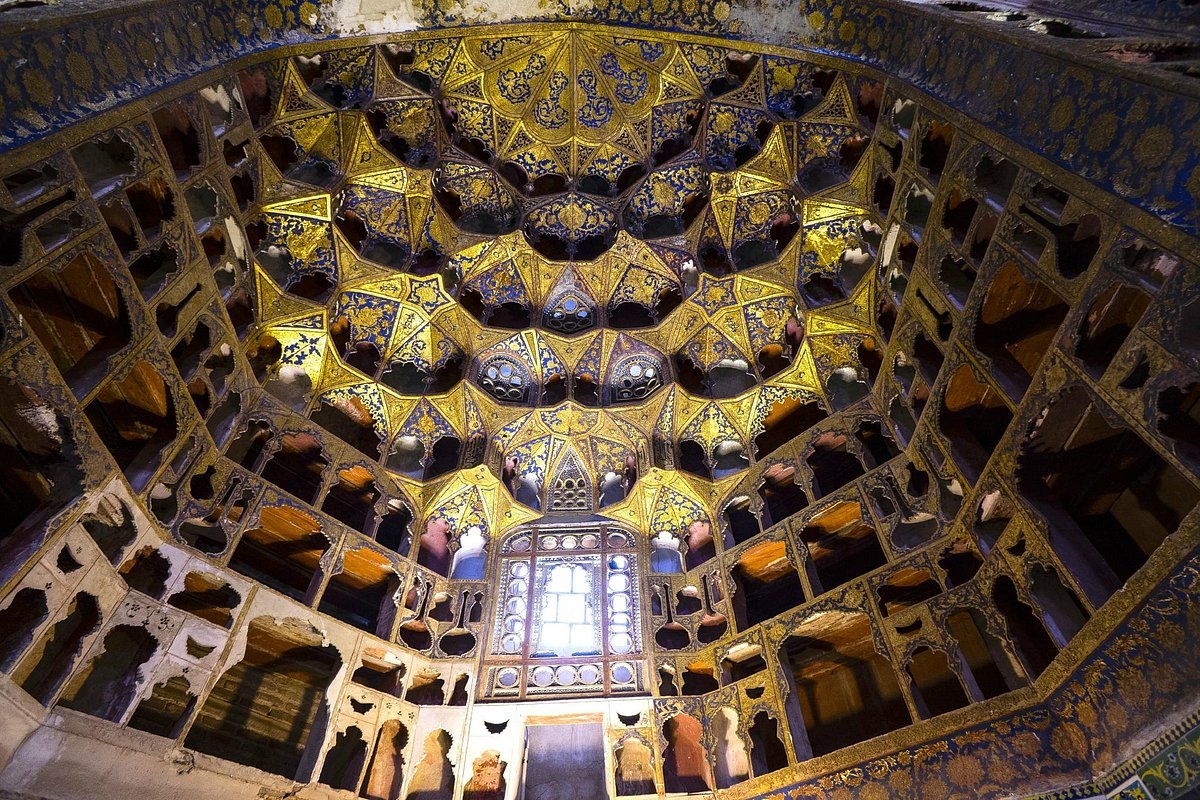
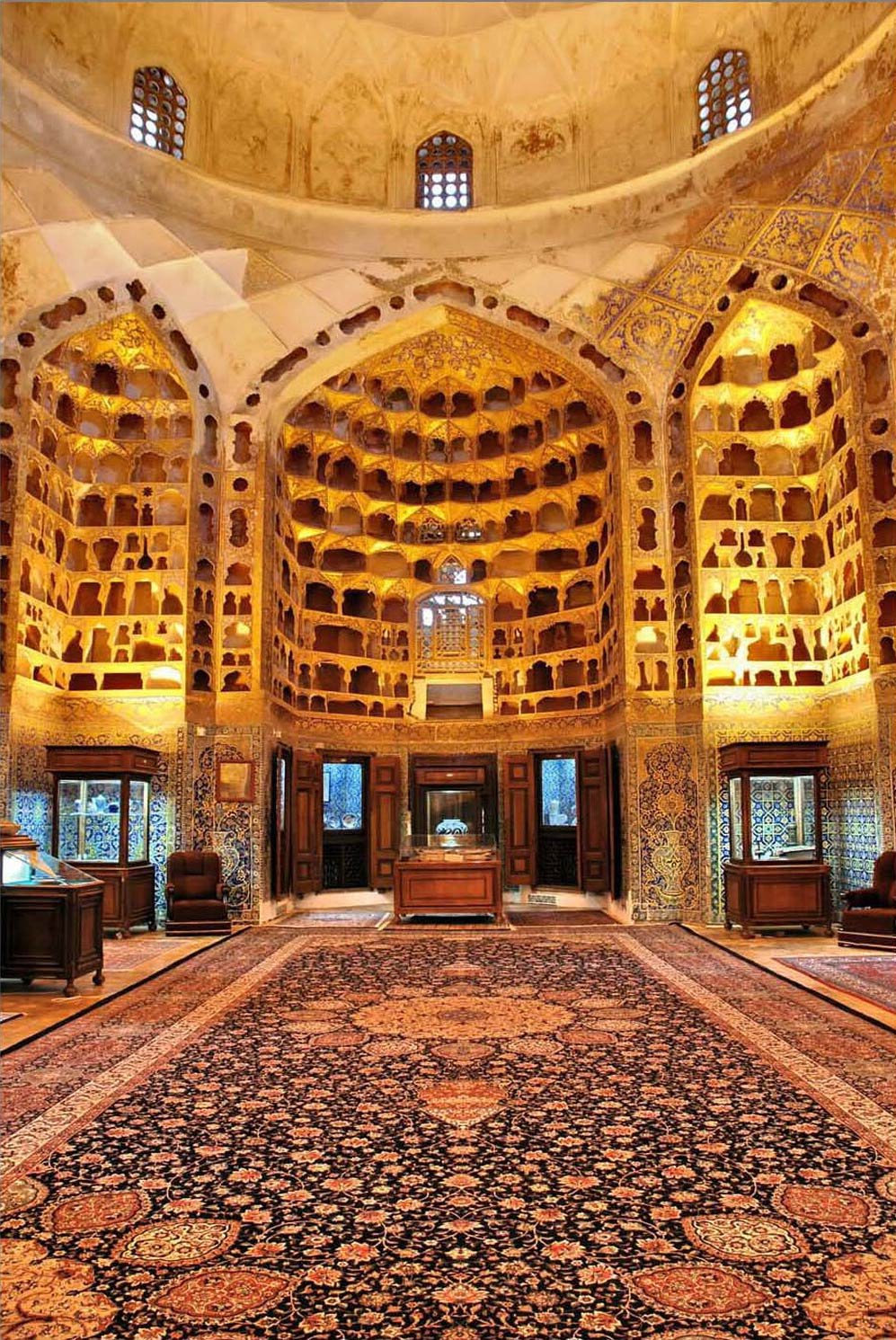
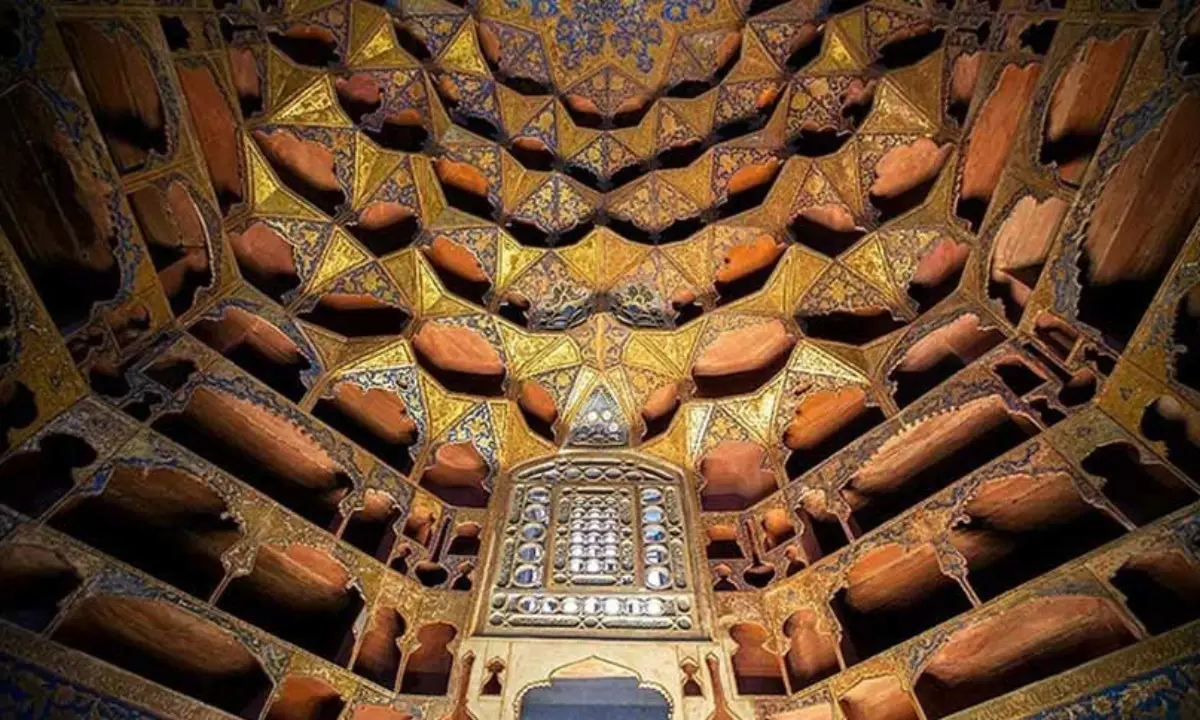
The sacred tomb of Sheikh Safi al-din Ardabili in Ardabil is renowned throughout the Islamic world for the magnificent calligraphic inscription of "Allāh Allāh" — the divine name repeated in gold across the walls and dome of his mausoleum. This invocation of the Divine Name is central to the Safavid Ṭarīqah's practice of dhikr (remembrance of God), a tradition that Dr Safavi continues to teach and transmit to students today.

The Shrine Ensemble of Ardabil

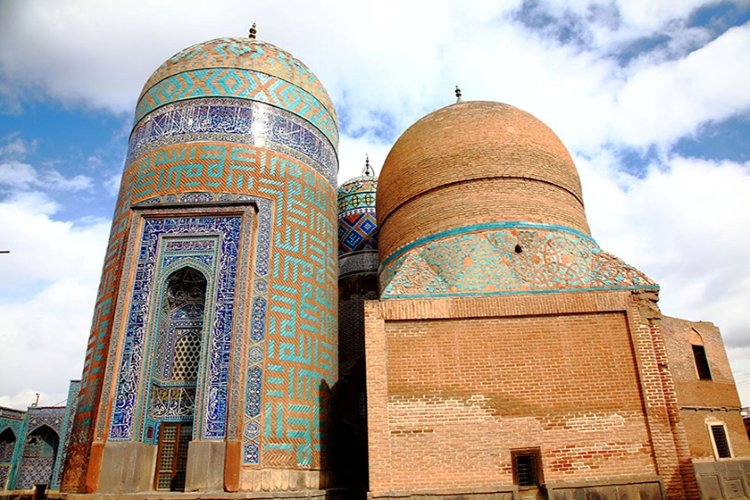
The Khanegah (spiritual lodge) and Shrine Ensemble of Sheikh Safi al-din Ardabili in Ardabil, Iran, was inscribed as a UNESCO World Heritage Site in 2010. It stands as one of the finest examples of Islamic architecture, art, and spiritual culture in the world.

A Life of Scholarship and Devotion

1252 CE / 650 AH — Birth

Born in Ardabil, Azerbaijan, Iran

Sheikh Safi al-din Ishaq Ardabili was born into a devout Muslim family in Ardabil. From an early age, he displayed an exceptional aptitude for Islamic learning, spiritual discipline, and the inner sciences of the heart.

c. 1271 CE — Discipleship

Spiritual Training under Shaykh Zāhid Gīlānī

At approximately nineteen years of age, Sheikh Safi al-din travelled to Gilan to study under the great Sufi master Shaykh Zāhid Gīlānī, one of the foremost spiritual authorities of his time. He spent twenty-five years in his service, becoming his most distinguished disciple, and later married his daughter.

1301 CE — Leadership

Appointed Successor and Head of the Sufi Order

Upon the death of Shaykh Zāhid Gīlānī, Sheikh Safi al-din was appointed as his spiritual successor and the head of the order. He returned to Ardabil, where he established his Khanegah — a centre of Islamic learning, spiritual retreat, and Sufi practice that attracted disciples from across the Islamic world.

1301–1334 CE — Founding

Founder of the Safaviyya Sufi Order

Under his leadership, the order — which came to bear his name as the Safaviyya (Safavid Order) — grew into one of the most influential Sufi brotherhoods in the Islamic world. Rooted in the Quran, Hadith, and the inner sciences of Islamic mysticism (ʿirfān), the order emphasised the unity of exoteric knowledge (sharīʿah) and esoteric realisation (ḥaqīqah).

1334 CE / 735 AH — Passing

Return to the Divine Presence

Sheikh Safi al-din passed away in Ardabil at the age of approximately eighty-two. His tomb became an immediate site of pilgrimage and veneration. The Khanegah and Shrine Ensemble built around his resting place grew over subsequent centuries into one of the most architecturally and spiritually significant sites in the Islamic world.

2010 CE — UNESCO Recognition

World Heritage Site

The Khanegah and Shrine Ensemble of Sheikh Safi al-din Ardabili in Ardabil was inscribed on the UNESCO World Heritage List, recognised as an outstanding example of Islamic architecture, art, and cultural heritage that bears witness to the enduring spiritual legacy of this great master.
Noble Lineage: From the Prophet Muhammad (SAW) to Dr Seyed Salman Safavi

The genealogical chain below traces the direct line of descent from the Prophet Muhammad (SAW) through Imam Ali ibn Abi Talib, the Shia Imams, and Sheikh Safi al-din Ardabili to Dr Seyed Salman Safavi — an unbroken silsila (chain) of nearly 30 generations spanning fourteen centuries.

Source: Silsilat al-Nasab al-Safaviyya — Ḥusayn ibn Shaykh ʿAbdāl Zāhidī (17th century); corroborated by Encyclopaedia Iranica and Wikipedia's Safavid Family Tree.

The Seal of the Prophets
Generation 1
Prophet Muhammad ibn ʿAbd Allāh (SAW)
محمد بن عبد الله ﷺ
The Seal of the Prophets · 570–632 CE
↓
The First Imam
Generation 2
Imam ʿAlī ibn Abī Ṭālib (AS)
علي بن أبي طالب عليه السلام
First Imam · Cousin & son-in-law of the Prophet · 600–661 CE
↓
Generation 3
Imam Ḥusayn ibn ʿAlī (AS)
الحسين بن علي عليه السلام
Third Imam · Martyr of Karbala · 626–680 CE
↓
Generation 4
Imam Zayn al-ʿĀbidīn (AS)
زين العابدين عليه السلام
Fourth Imam · 659–713 CE
↓
Generation 5
Imam Muḥammad al-Bāqir (AS)
محمد الباقر عليه السلام
Fifth Imam · 677–733 CE
↓
Generation 6
Imam Jaʿfar al-Ṣādiq (AS)
جعفر الصادق عليه السلام
Sixth Imam · Founder of Jaʿfarī jurisprudence · 702–765 CE
↓
The Seventh Imam
Generation 7
Imam Mūsā al-Kāẓim (AS)
موسى الكاظم عليه السلام
Seventh Imam · 745–799 CE · The lineage of the Safavids traces through him
↓
Sayyid Descendants — 8 Generations
Generation 8
Sayyid Abū al-Qāsim Ḥamzah
أبو القاسم حمزة
↓
Generation 9
Sayyid Qāsim
القاسم
↓
Generation 10
Sayyid Aḥmad al-ʿArabī
أحمد الأعرابي
↓
Generation 11
Sayyid Muḥammad
محمد
↓
Generation 12
Sayyid Ismāʿīl
إسماعيل
↓
Generation 13
Sayyid Muḥammad
محمد
↓
Generation 14
Sayyid Jaʿfar
جعفر
↓
Generation 15
Sayyid Ibrāhīm
إبراهيم
↓
Generation 16
Sayyid Muḥammad
محمد
↓
Generation 17
Sayyid Ḥasan
حسن
↓
Generation 18
Sayyid Muḥammad
محمد
↓
Generation 19
Sharaf Shāh
شرف شاه
↓
Generation 20
Majd
مجد
↓
Generation 21
Fīrūz Shāh Zarrīn Kulāh
فيروز شاه زرين كلاه
Ancestor of the Safavid family · Ardabil region
↓
Generation 22
ʿAwaḍ
عوض
↓
Generation 23
Muḥammad al-Ḥāfiẓ
محمد الحافظ
↓
Generation 24
Ṣalāḥ al-Dīn Rāshid
صلاح الدين راشد
↓
Generation 25
Quṭb al-Dīn Abū Bakr
قطب الدين أبو بكر
↓
Generation 26
Amīn al-Dīn Jibrāʾīl
أمين الدين جبرائيل
Father of Sheikh Safi al-din
↓
The Founder of the Safaviyya Order
Generation 27
Sheikh Safi al-din Ishaq Ardabili
شيخ صفي الدين إسحاق الأردبيلي
Sufi Master · Founder of the Safaviyya Order · 1252–1334 CE
UNESCO World Heritage Shrine — Ardabil, Iran
↓
The Safavid Lineage — Sufi Order & Dynasty
Safavid Sufi Order & Dynasty
Generations 28–36 · Rulers of Iran 1501–1736 · Patrons of Islamic art, philosophy & scholarship
↓
The Living Inheritor of the Tradition
Dr Seyed Salman Safavi
دكتور سيد سلمان صفوي
PhD SOAS, University of London · Author of 90+ books
Founder, London Academy of Islamic Studies & Dr Safavi Islamic Academy
🏛 UNESCO World Heritage Site — Ardabil, Iran (2010)

Teachings of the Safavid Order

☪

Dhikr — Divine Remembrance

اللّٰه اللّٰه

The continuous invocation of the Divine Name — Allāh Allāh — is the central spiritual practice of the Safavid Ṭarīqah, purifying the heart and drawing the soul closer to God.

📖

Unity of Sharīʿah and Ḥaqīqah

الشريعة والحقيقة

The Safavid Order teaches that outward religious observance (sharīʿah) and inward spiritual realisation (ḥaqīqah) are inseparable — two dimensions of a single path to God.

✦

Tawhīd — Divine Unity

التوحيد

The doctrine of Divine Unity (tawḥīd) is the foundation of all knowledge in the Safavid tradition — the recognition that all existence is a manifestation of the One God.

🌿

Sulūk — The Spiritual Path

السلوك

The Safavid tradition offers a structured path of spiritual wayfaring (sulūk), guiding the student through the stations and states of the soul towards nearness to God.

Study the Living Tradition of Sheikh Safi al-din

Dr Seyed Salman Safavi teaches Islamic Mysticism, Islamic Psychology, Philosophy, and Tafsir rooted in this noble lineage. Enrol today and connect with a tradition of scholarship spanning eight centuries.